Please complete your details below and a Perry Homes representative will be in contact with you shortly.
Thank you! Your submission has been received!
Oops! Something went wrong while submitting the form.

.jpg)
Choosing the right colours for your new home can make a huge impact on style, mood, and resale appeal. Whether you’re planning interior walls, exterior façades, kitchens, or feature spaces, 2026 is all about rich, nature-inspired hues, warm neutrals, and expressive accents that feel personal yet timeless.
Choosing the right colours for your new home can make a huge impact on style, mood, and resale appeal. Whether you’re planning interior walls, exterior façades, kitchens, or feature spaces, 2026 is all about rich, nature-inspired hues, warm neutrals, and expressive accents that feel personal yet timeless.
Here’s a breakdown of the biggest colour trends shaping new homes in 2026.
Gone are the days of sterile, cool greys dominating interior walls. In 2026, warm neutrals like creamy beiges, soft taupes, and warm khaki tones are becoming the foundation of modern home colour schemes. These hues create a cosy, welcoming backdrop that works well with almost any architectural style.
Why they’re trending:
Where to use them: Main living areas, open-plan spaces, and exterior façades.
.jpg)
Green continues to reign as one of the most popular choices for 2026. But this year it’s muted, earthy, and grounded — think sage, olive, moss, and dusty jade tones instead of bright greens.
Pro tip: Soft greens aren’t just for walls, they’re also trending in cabinetry and feature joinery!
.jpg)
Blues are evolving beyond coastal pastels. In 2026, rich, dramatic blues from midnight and slate to tranquil teal are making bold yet sophisticated statements.
These colours add depth and character without feeling overwhelming and are perfect for:
Pro tip: Pair deep blues with gold or brass fixtures for a timeless look.
.jpg)
Warm, earthy reds like terracotta, rust, paprika, and baked clay are hot in 2026. These tones bring warmth and personality into a space without feeling too loud.
Best uses:
Pro tip: These earthy hues pair beautifully with warm neutrals and natural wood elements.
.jpg)
Pastels in 2026 are muted and grown-up, think dusty blue, lavender haze, and cloudy mint. They add soft colour without overpowering a room.
Where they shine:
Pro tip: These hues bring light and personality without overwhelming the space.
.jpg)
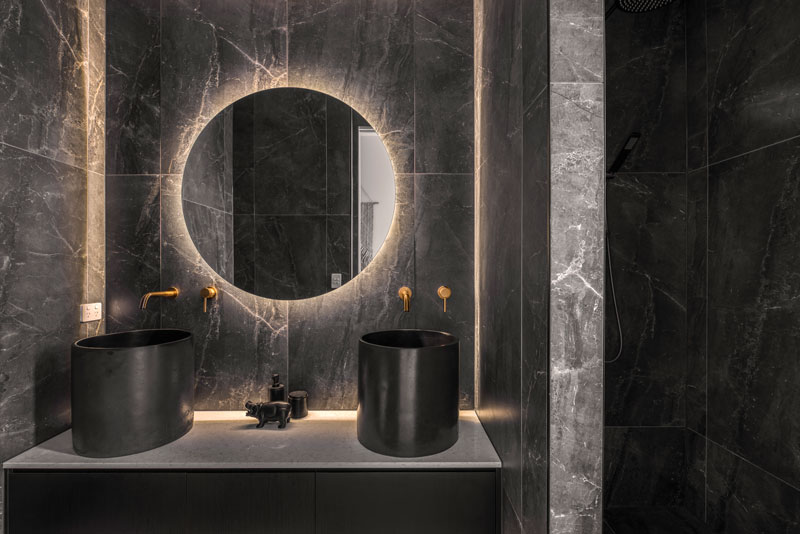
Soft metallics such as brushed brass, brushed bronze are trending as subtle accents rather than bold statement finishes.
Pro tips:
.jpg)
2026 isn’t just about calming, earthy tones, it’s also a year for confident colour choices. Shades like deep plum, burgundy, and jewel tones are gaining popularity for accent walls and custom cabinetry.
Pro tip: These rich colours add personality and sophistication, especially when paired with warm neutrals or natural textures.
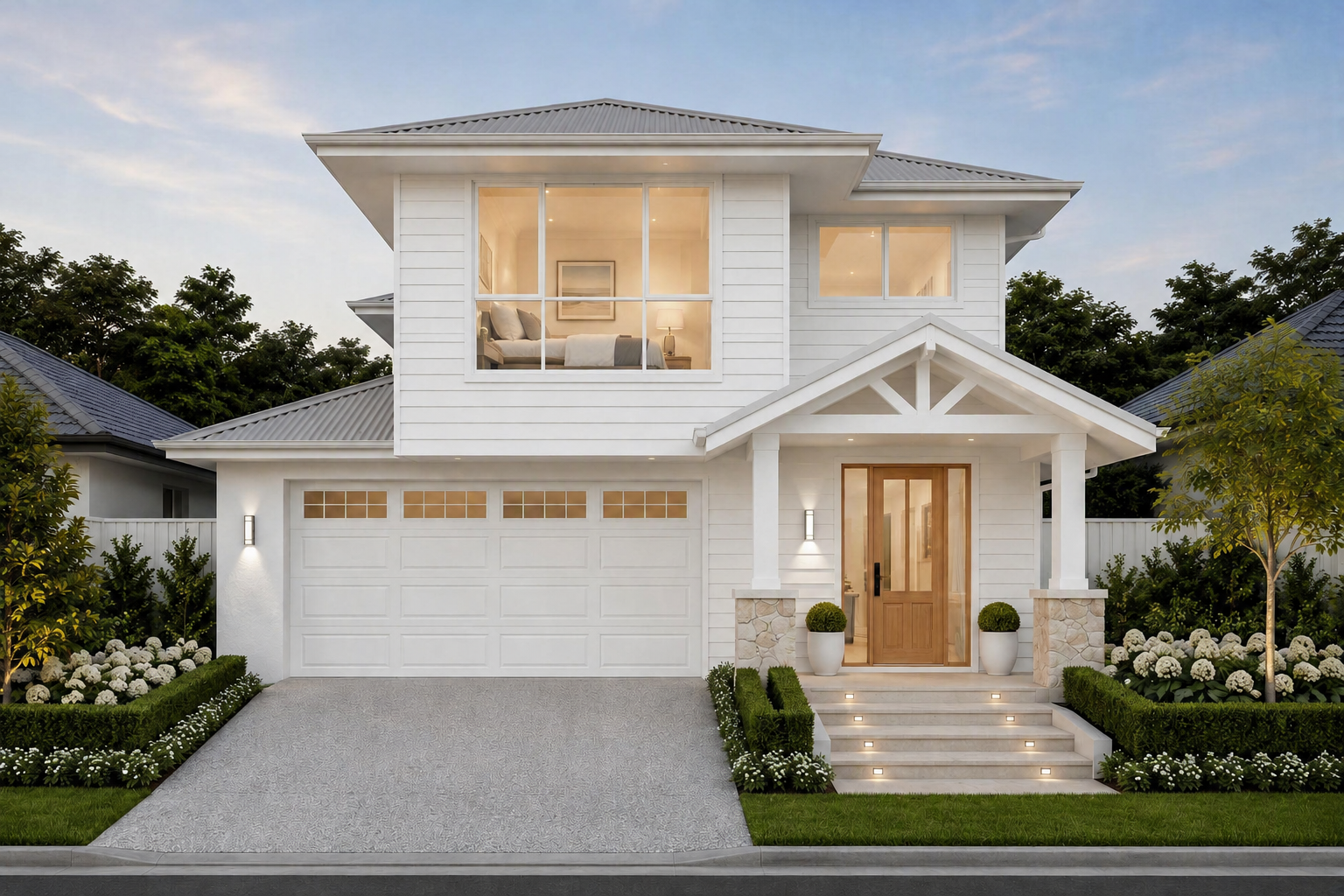
For home exteriors, trends lean toward timeless colours that boost curb appeal without dating. Think:
Pro rip: Colour psychology experts also suggest that balanced, nature-inspired hues can improve home harmony and resale value.
If you love colour but don’t want to overpower a space, try bold hues on feature walls, built-in cabinetry and accent furniture. Then soften them with warm neutrals and natural textures.
Natural light affects how colours read. Rich tones feel cozy in large rooms, while soft, muted shades brighten smaller spaces.
Modern home aesthetics look most cohesive when interior and exterior colour schemes complement each other especially in open-plan homes and indoor-outdoor living spaces.
Ultimately, colour trends in 2026 are about creating homes that feel calm, grounded, and expressive. From warm neutrals and nature-inspired greens to bold accents and rich blues, there’s something for every style and space.
Whether you’re building a new home, refreshing an existing one, or planning a feature paint project, these colour trends offer a palette that’s both stylish and enduring.
.jpg)
.jpg)
.jpg)
.jpg)
.jpg)